 Eastleigh Hub
Tactical Nuances: Eastleigh's Path to Consistency
Eastleigh FC, affectionately known as the Spitfires, has shown flashes of brilliance this season, yet inconsistency has crept into their performances. A tactical analysis of their recent matches reveals that while the foundation is solid, there are key areas where slight tweaks could bolster their overall effectiveness on the pitch.
Current Form and Tactical Setup
The Spitfires have predominantly employed a 4-3-3 formation, which offers a balanced approach between attack and defense. This setup has been effective in allowing players like R. Aguiar to dictate play from the midfield while also giving width through the wings. However, recent matches have highlighted a tendency for the team to become predictable, particularly when transitioning from defense to attack.
One area that deserves attention is the interplay between the midfield and attacking trio. While Aguiar has excelled in linking up play, the reliance on wide players to stretch the opposition has sometimes left the central areas congested. Opponents have begun to exploit this by pressing the ball high, leading to turnovers that have cost Eastleigh crucial points.
Suggested Tactical Tweaks
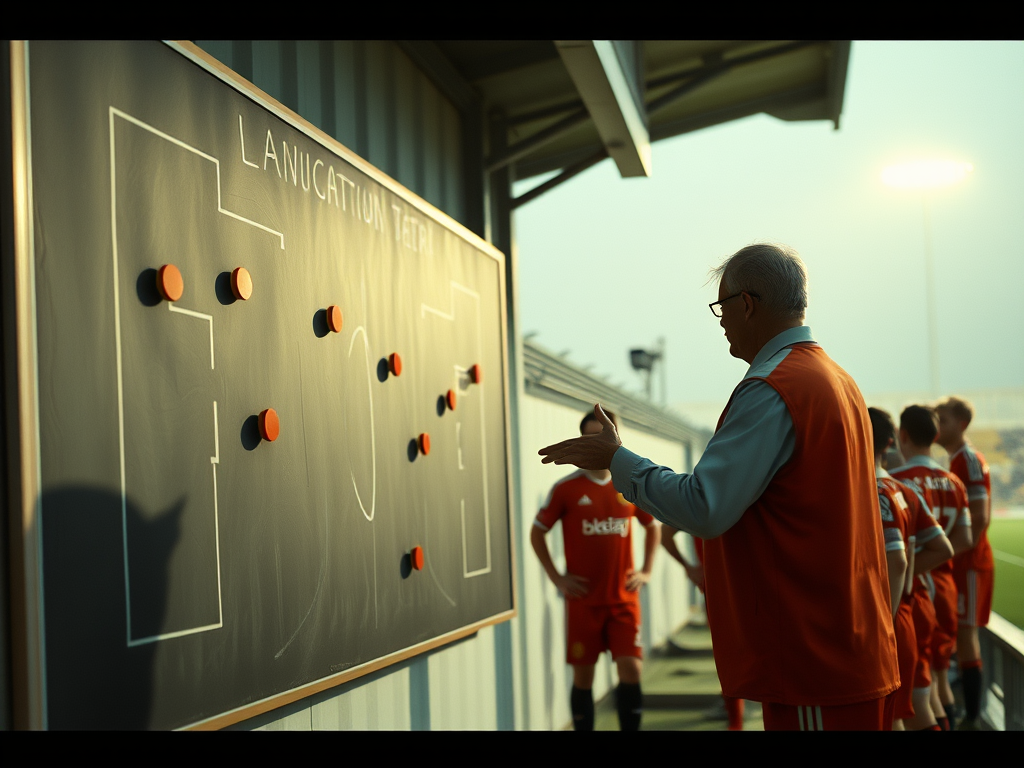
To address these issues, a shift to a 4-2-3-1 formation could provide Eastleigh with more control in the middle of the park. By deploying two holding midfielders, the Spitfires can better shield their defense and create a more fluid transition to attack. This would allow Aguiar to focus on creating opportunities rather than solely being tasked with defensive responsibilities.
Furthermore, introducing an attacking midfielder who can operate between the lines would give the team more dynamism in the final third. This player could thrive on the creativity provided by the wings, allowing for a more varied attacking approach. Instead of relying heavily on cross-field balls, Eastleigh could facilitate quick, incisive passes that exploit gaps in the opponent's defense.
Defensive Cohesion
Defensively, while Eastleigh has shown resilience, lapses in concentration have led to conceding avoidable goals. The back four, anchored by J. Baldwin, needs to maintain better communication, especially during set pieces. A more organized defensive shape could minimize the risk of being caught out during transitions.
Incorporating drills focused on defensive positioning and awareness in training could help solidify this aspect of their game. Additionally, encouraging full-backs to engage more in the attack while ensuring they maintain their defensive duties could provide a balanced threat on both flanks.
Conclusion
Eastleigh FC possesses a squad brimming with potential, yet the tactical flexibility needed to adapt to various opponents could be their key to success in the National League. By embracing a more dynamic formation and refining their defensive organization, the Spitfires can elevate their game and move towards a more consistent performance level. As they continue to build on their strengths, the journey to achieving league stability looks promising.